 电子邮件: info@guanyumixer.com
  Whatsapp: +8613925109966
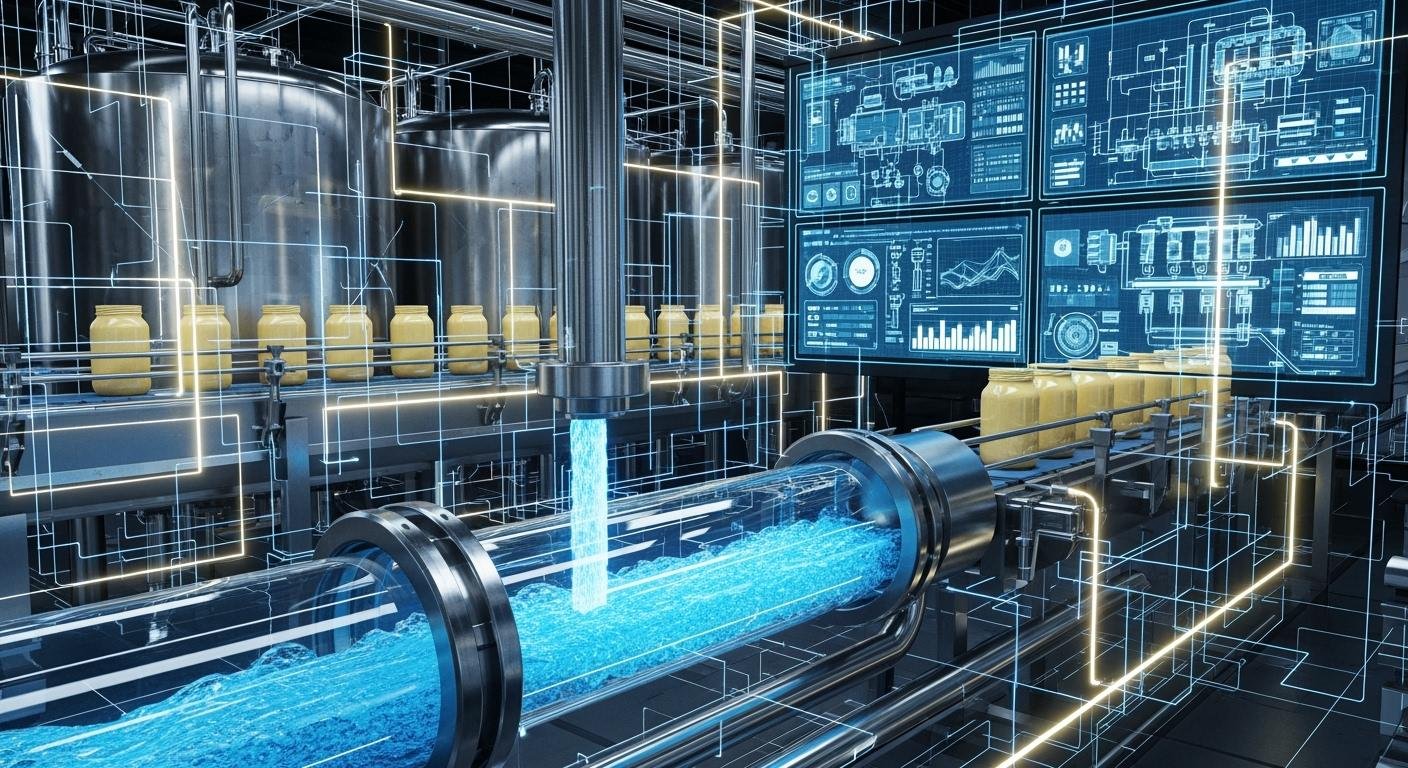
你用 CIP systems to keep mayonnaise lines clean and working well. Cleaning in place helps you keep things clean and safe without stopping work. CIP uses machines to clean, so workers do less and cleaning is faster. You get safer jobs and the same good results each time. New machines like Guangzhou Guanyu’s Custom Making Machine help with CIP. 他们使用 食品级不锈钢, so they last long and meet world rules. Government groups check if CIP works by using tests, cleaning rules, 和文书工作.
Evidence | 描述 |
|---|---|
Validation Procedures | FDA says companies need written steps to check cleaning works. |
Cleaning Success Criteria | Cleaning is checked to see if it meets set rules. |
Documentation | Companies must write down test results and give a final report. |
关键要点
CIP systems wash mayonnaise lines without taking them apart. This saves time and keeps workers safe. Automated cleaning lowers the chance of germs and keeps the product good every time. Cleaning often and using machines helps meet tough hygiene rules. The right soaps and heat make cleaning better for mixed fats. Buying CIP-friendly tools makes cleaning easier and helps work go faster.
CIP Systems in Mayonnaise Production Lines
CIP Functionality in Mayonnaise Lines
CIP helps keep mayonnaise lines 工作顺利. You do not need to take equipment apart to clean it. This saves time and keeps the area safe. High-shear mixers and homogenizers break up fat globules. They make the mayonnaise smooth. Heating and cooling machines control the temperature. This happens during emulsification and pasteurization. Packaging and filling machines put mayonnaise into containers. They keep everything clean.
Cleaning in place works best with sanitary stainless-steel parts. These parts are simple to clean. They help you follow hygiene rules. CIP cleaning systems reach all surfaces. They remove product leftovers. Your equipment is ready for the next batch.
CIP systems clean and sterilize by themselves. You do not spend much time cleaning by hand. You get more time to make mayonnaise. There is less downtime. Automated cleaning cycles give you control. You can choose when to clean. Your mayonnaise stays safe and high quality.
CIP systems clean emulsifying and mixing machines.
They sanitize heating and cooling machines.
They keep packaging and filling machines clean.
Hygiene and Efficiency Benefits
Cleaning in place makes hygiene and efficiency better. CIP cleaning systems stop contamination. Your equipment stays sanitized and ready. You save time and work because cleaning is automatic.
Cleaning in place lowers the risk of contamination.
CIP systems keep product quality the same.
You follow strict hygiene rules for food safety.
You spend less time cleaning and more time making mayonnaise.
CIP systems help your mayonnaise lines stay safe and efficient. You trust automated cleaning to protect your product and business.
CIP Process Steps
Rinsing and Detergent Circulation
The cip process starts with rinsing. You use hot water to wash away mayonnaise, 蛋, and oil. The equipment stays together during this step. Water moves through pipes, 坦克, 和搅拌机. It carries leftover product out. After rinsing, detergents go into the system. These detergents break down sticky proteins and sugars. Programmable logic controllers set the right time and temperature. 这有帮助 make mayonnaise faster and gets equipment ready for more cleaning.
Chemical Cleaning for Emulsified Fats
Mayonnaise has a lot of emulsified fats. These fats stick to surfaces and can cause trouble. Chemical cleaning breaks down these tough leftovers. Here is how you make this step work well:
Hot water helps melt grease so it washes away.
High heat breaks up grease, so cleaners work better.
Mixing hot water and detergents makes fats break up faster. You use less water and detergent this way.
Cleaning works best between 50°C and 60°C.
Fats are triglycerides, so caustic things like NaOH help break them down.
Hot alkaline detergents above 49°C are best for cleaning fat.
Pressurised steam can also help clean better. Steam melts fats and pushes them out. This step is important for quality and making mayonnaise well.
Sanitizing for Quality Assurance
After chemical cleaning, you sanitize the machine. You use peracetic disinfectant or pressurised steam to kill germs. This step is important for quality and food safety. You finish with hot water to rinse away any disinfectant left. Quality control teams check if cleaning worked using special tests. One test uses riboflavin and UV light:
步 | 描述 |
|---|---|
1 | Riboflavin liquid is sprayed on all inside parts of the reactor. |
2 | Agitation starts and spray balls turn on with water at the right pressure and flow. |
3 | Agitation and spray balls stop when cleaning ends. |
4 | Inside parts are checked with a UV lamp to find riboflavin left behind. |
5 | Any riboflavin spots are marked on the reactor drawing. |
You follow these steps to make sure cleaning meets strict rules. This keeps mayonnaise safe and helps production run well.
Cleaning Challenges in Mayonnaise Equipment
Handling Emulsified Fats and Egg Residues
Cleaning mayonnaise lines is not easy. Mayonnaise has oil, 水, and egg yolk. These mix together and make a thick emulsion. This emulsion sticks to all surfaces. Fats and egg bits stay inside pipes, 坦克, 和搅拌机. If you leave these residues, they can get hard. Hard residues are even tougher to clean.
You need the right steps to clean well. 第一的, rinse with warm water. This helps loosen the mayonnaise. The next steps work better after rinsing. Use a strong detergent to break down fats and proteins. Hot alkaline solutions are best for this job. Spray balls or rotary jets go inside tanks. These tools help clean every corner and remove tough spots.
提示: Always look for leftover spots after cleaning. Use a UV lamp or a quick swab test. This helps you check for any fats or egg left behind.
Preventing Contamination
You must keep equipment clean to protect your product. Bacteria can grow fast in leftover mayonnaise. Even a little residue can cause trouble. You need to follow strict cleaning steps each time.
Here are some ways to stop contamination:
Make a regular cleaning schedule for all equipment.
Use automated CIP systems to clean every surface.
Test equipment after cleaning to check for good hygiene.
Write down every cleaning cycle for safety checks.
A clean line helps you avoid recalls and keeps mayonnaise safe. Good cleaning builds trust with customers and meets food safety rules.
CIP System Design and Best Practices
Optimizing CIP for Mayonnaise Quality
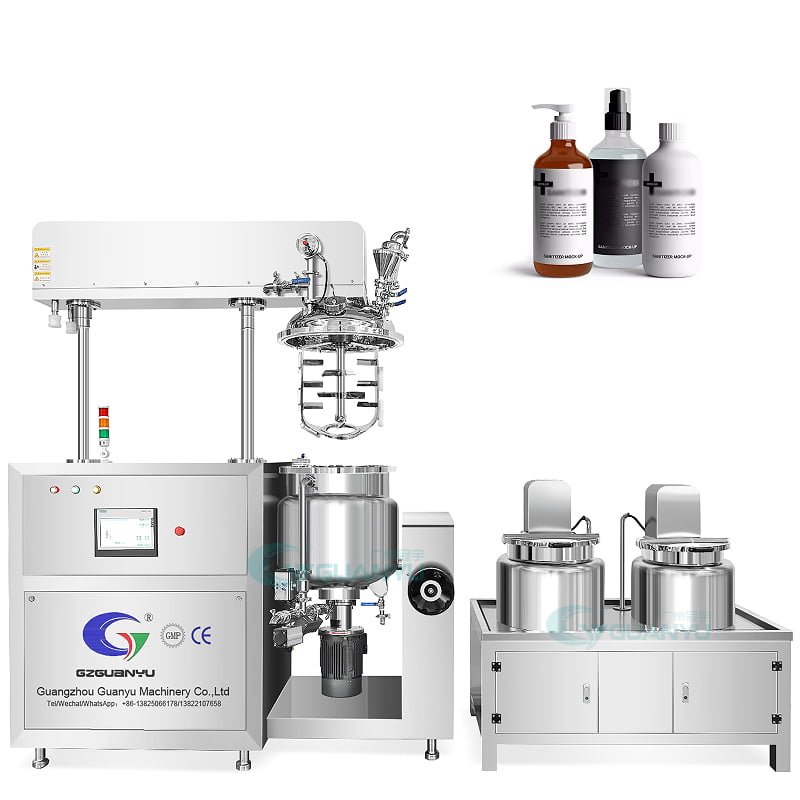
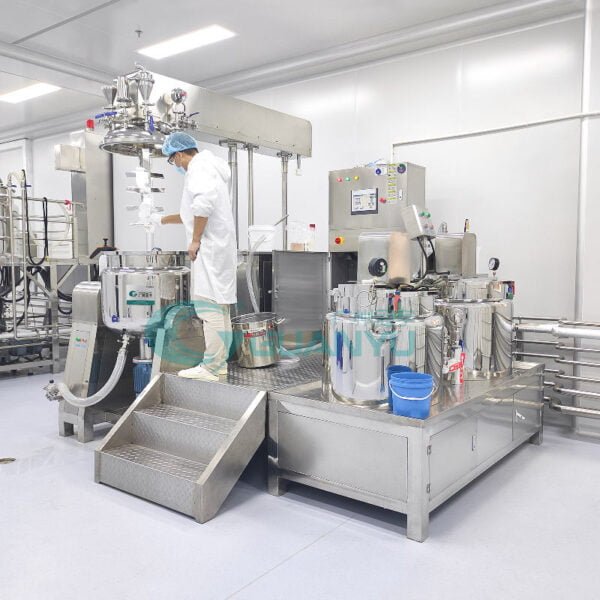
A good design helps you clean mayonnaise lines well. CIP systems work best with equipment that is easy to clean. The Custom Making Machine from Guangzhou Guanyu has special features. 它可以混合, 乳化, and package mayonnaise. You can pick tanks with slow or fast mixers. Some tanks have vacuum systems. These features help mix things evenly and keep air out.
这是一张桌子 important design features for CIP systems:
Design Feature | 描述 |
|---|---|
Dead Zones in Rotor-Stator | Gaps smaller than 1 mm are checked. CFD modeling helps stop residue from building up. |
Seal Design/Oil Entrapment | Mechanical seals with flush ports stop oil from getting trapped. |
CIP Flow Coverage | 360 spray balls and jets clean over 95% of surfaces. |
Microbial/Flavour Impact | Good cleaning stops bacteria and keeps the flavor fresh. |
You should follow best practices to keep mayonnaise good:
Clean and sanitize all parts to keep your product safe.
Use equipment that helps stop contamination.
Automate cleaning steps for the same results every time.
You can change your CIP system to fit your needs. Some machines use special pumps and heaters for hot water. You can pick systems that match your production size. This helps you keep everything clean.
Automation and Compliance
自动化 helps you control cleaning better. You can set cleaning cycles and watch things like temperature and flow. The Custom Making Machine uses special controllers for each cleaning step. You can check viscosity and pH as you clean. This helps you follow food safety rules and keeps your product safe.
这是一张桌子 operational qualifications for CIP systems:
Requirement | 描述 |
|---|---|
时间 | Cleaning agent moves through for 10 到 15 分钟. |
温度 | Cleaning agents stay between 60 and 80°C. |
专注 | Sodium Hydroxide (1.5 到 2.5%) and Nitric Acid (1 到 2%) 工作最好. |
Flow Rate | Flow rate should be twice the equipment size. |
You can change CIP programs fast and get help from far away. Automation cuts downtime and helps you control each step. You can trust your system to meet hygiene rules and keep mayonnaise safe.
提示: Pick equipment with CIP solutions you can change. You can get help and maintenance from Guangzhou Guanyu. This helps you control cleaning and keep production running well.
When you use CIP systems in mayonnaise lines, you get many benefits. CIP systems help keep things clean and safe. They also cut down on time when machines are not working. You lose less product and work faster. These systems also help the factory be better for the environment. You keep people safe by following rules and cleaning equipment well.
Choose machines that save time and follow the rules.
Use machines like Guangzhou Guanyu’s Custom Making Machine for good quality and easy checks.
Doing regular maintenance makes machines last longer and work better. Getting help from experts keeps surfaces smooth and simple to clean. 这边走, every batch is safe and always the same quality.
常问问题
What does CIP mean in mayonnaise production?
CIP means Cleaning-In-Place. It lets you clean machines without taking them apart. This helps keep your mayonnaise line safe. Your equipment is ready for the next batch.
Why should you choose equipment with CIP compatibility?
CIP-compatible machines save you time and effort. They also help stop contamination. Machines like Guangzhou Guanyu’s Custom Making Machine make cleaning quick and simple.
How often should you run a CIP cycle?
You need to run a CIP cycle after every batch. This keeps your machines clean and your mayonnaise safe.
What chemicals do you use in CIP for mayonnaise lines?
步 | Common Chemical Used |
|---|---|
Rinsing | Hot water |
打扫 | Alkaline detergent (NaOH) |
Sanitizing | Peracetic acid or steam |
You should always follow what the manufacturer says.