 E-mail: info@guanyumixer.com
  Whatsapp: +8613925109966
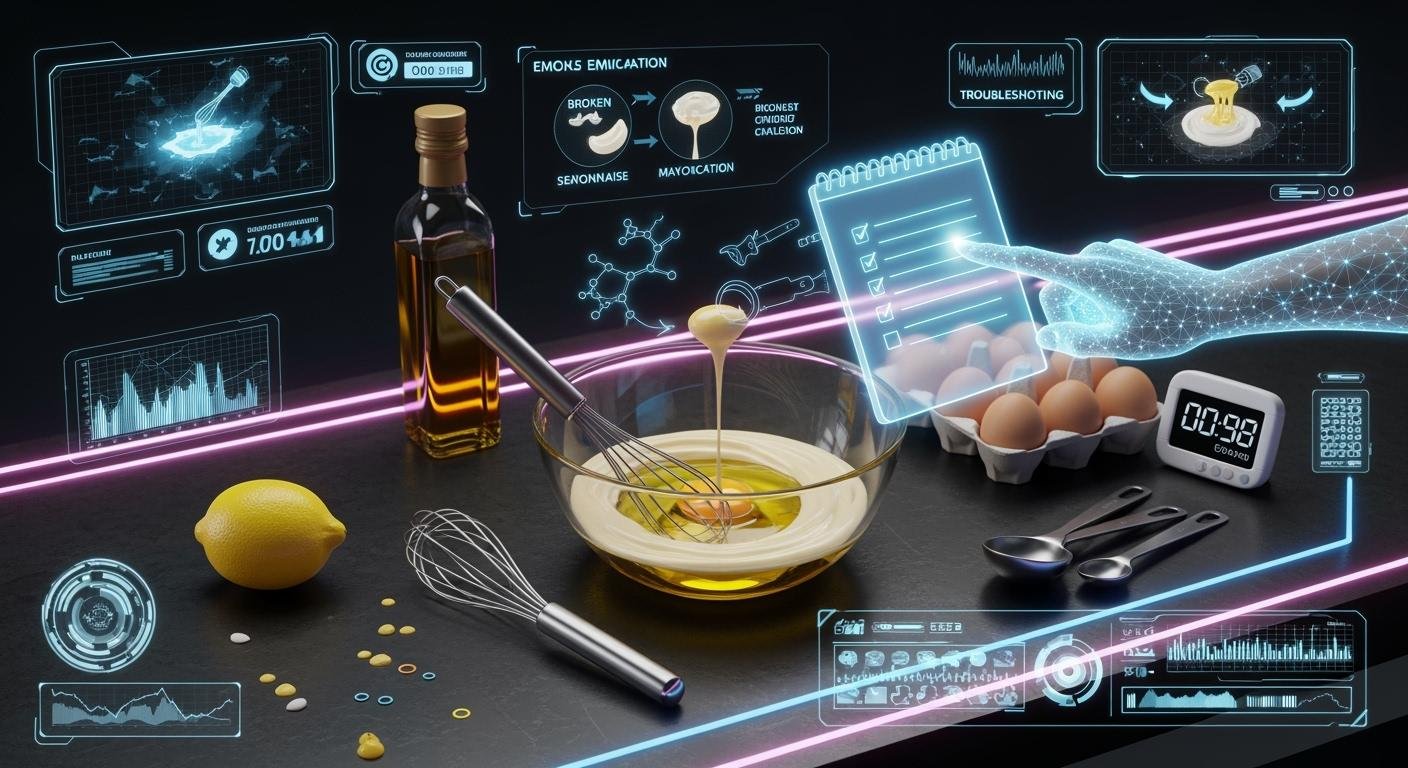
You want each batch of mayonnaise production to come out perfect. Troubleshooting helps you keep mayonnaise making smooth and stops common problems. Small mistakes can cause big changes:
Texture and stability change if you add oil the wrong way.
Mixing with the wrong method can mess up the quality.
Shear rate is important. Too much or too little changes how thick and stable your mayonnaise is.
Advanced machines like Guangzhou Guanyu’s Custom Making Machine give you better control and make things more reliable for your mayonnaise production.
Takeaways -chave
Put oil in slowly when you make mayonnaise. This keeps the emulsion steady and stops it from separating.
Check the pH level of your mayonnaise every time. If the pH is under 4.1, germs will not grow. This makes your mayonnaise safe to eat.
Usar good ingredients that are not cold. This makes the texture better and the flavor stronger. Your mayonnaise will be creamy and tasty.
Common Issues in Mayonnaise Production
Emulsion Instability
Às vezes, mayonnaise can look watery or separated. This means the emulsion is not working certo. A good emulsion keeps oil and water mixed together. If you see layers or lumps, the emulsion is weak. Here are some things that can go wrong:
Descrição | |
|---|---|
Creaming | Oil and water split because they weigh different amounts. |
Flocculation | Droplets stick together and make lumps. |
Coalescence | Droplets join and the mayonnaise splits apart. |
O right emulsifiers and mixing help stop these problems. When droplets spread out well, mayonnaise stays smooth and creamy.
pH Imbalance
If the pH is not right, germs can grow. Mayonnaise should have a pH of 4.1 or lower. If the pH is too high, bacteria can spoil it fast. Always check the pH when making mayonnaise.
Manuseio de Ingredientes
Mistakes with ingredients cause many problems. Por exemplo:
Not checking pH lets germs grow.
Too much xanthan gum makes it feel strange.
Wrong preservatives can make it unsafe or spoil faster.
Temperature Fluctuations
Big changes in temperature hurt the emulsion. Cold things slow down mixing. Hot things can break the emulsion. Keep everything at room temperature for best results.
Equipment Challenges
Old or dirty machines mix things unevenly. This can cause more problems. Clean and fix machines often to mantenha a qualidade alta. Good equipment helps you avoid most mayonnaise issues.
Dica: Look for bad smells or color changes. These can mean germs are growing. Act fast to keep your mayonnaise safe and tasty.
Preventing Breaking in Mayonnaise
If you want smooth, maionese cremosa todas as vezes, you need to stop breaking before it starts. Breaking happens when the oil and water separate, leaving you with a runny mess instead of a thick spread. Let’s look at how you can keep your emulsion strong and your mayonnaise production on track.
Oil Addition Rate
The way you add oil makes a huge difference in preventing breaking. If you pour oil in too fast, the emulsion can’t keep up and everything splits apart. Here’s how you can optimize oil addition and keep your mixture stable:
Start with one egg yolk, a little lemon juice, and some Dijon mustard in your bowl.
Measure out your oil. Canola oil works well for most recipes.
Add the oil drop by drop at first. Whisk the mixture the whole time.
When you see the mixture thicken, you can add oil a little faster, but don’t rush.
Keep whisking to help the emulsion stay together.
Dica: If you see the mixture getting too oily or thin, slow down your oil addition rate. This step is key for preventing breaking.
Mixing Speed and Shear
Mixing is not just about going fast. You need the right mixer and shear rate to get a stable emulsion. High shear mixers use strong force to break oil into tiny droplets. This helps the oil and water mix well. Se você misturar muito devagar, the droplets stay big and the mayonnaise can break. Se você misturar muito rápido, you might break the emulsion, também.
High shear mixers create a smooth, stable mayonnaise.
Baixo cisalhamento (abaixo 10,000 s−1) leaves you with uneven droplets and a grainy texture.
Too much shear can also cause breaking, so find a balance.
Always check your mixer’s speed and adjust as needed.
Viscosidade (Pa·s) | Shear Stress (Pa) | WP Concentration (% p/p) | |
|---|---|---|---|
0.1–100 | Minimum | Minimum | 0 |
0.1–100 | Increased | Increased | 0 para 3.0 |
Observação: The right mixer and shear rate help you avoid breaking and keep your mayonnaise creamy.
Emulsifier Use
Emulsifiers are your secret weapon for preventing breaking. They help oil and water stick together. Egg yolk is the classic choice, but you can also use lecithin, xanthan gum, mostarda, and salt to boost stability.
Egg yolk brings everything together and makes the emulsion strong.
Lecithin and gums add extra support, especially in large batches.
Mustard and salt help the oil and water bond better.
If you want to stop breaking before it starts, always use enough emulsifier for your recipe. Don’t skip this step!
Chamar: For best results, keep your ingredients at room temperature and measure everything carefully. This helps your emulsifiers work their magic.
Step-by-Step Troubleshooting for Preventing Breaking:
Optimize oil addition by adding oil slowly.
Use the right mixer and shear rate for your batch size.
Control temperature between 10-25°C (50-77°F).
Keep pH between 3.6 e 4.0.
Select effective emulsifiers like egg yolk and xanthan gum.
Maintain the correct water-to-oil ratio (sobre 80% oil to 20% água).
Store mayonnaise at cool temperatures below 5°C (41°F).
Se você seguir estas etapas, you’ll have a much easier time preventing breaking in your mayonnaise production.
Mayonnaise Formulation and Ingredient Selection
Choosing Oils and Emulsifiers
Not every oil works the same in mayonnaise. Some oils, like canola, girassol, or soybean, have a mild taste and make mayonnaise smooth. Olive oil gives a stronger flavor if you want it richer. Picking the right oil helps stop the mayonnaise from separating. Emulsifiers are also important. Egg yolks are the usual choice, but lecithin and plant-based gums work too. These help mix water and oil so they do not split apart. If you want a vegan mayonnaise, try pea protein or special starches. Always check your recipe. You may need to change the water and oil amounts for plant-based versions.
Dica: Lecithin helps keep your mayonnaise smooth and even.
Ingredient Quality and Temperature
Good ingredients make mayonnaise taste better and last longer. Bad oils or emulsifiers can cause it to spoil or separate. Temperature matters too. Keep everything at room temperature before mixing. This makes it easier to blend and keeps the mixture stable. Studies show that the right temperature helps mayonnaise stay mixed and creamy. Cold or hot ingredients can cause lumps or fast separation.
Accurate Measurement
You need to measure every ingredient carefully. Guessing can mess up the water and oil balance. Too much oil or too little water can make the mayonnaise separate and ruin the texture. Always use a scale or measuring cups for each ingredient. This helps you avoid mistakes and keeps your mayonnaise stable. Check your recipe often to make sure it is safe and tastes good.
Formulation Factor | Impact on Stability | Notas |
|---|---|---|
Tipo de óleo | Affects texture/flavor | Plant-based oils for neutral taste |
Prevents separation | Gema de ovo, lecithin, plant-based gums | |
Ingredient Temperature | Boosts stability | |
Measurement Accuracy | Maintains consistency | Use scales for every formulation batch |
Lembrar: The right recipe and good ingredients keep mayonnaise creamy, seguro, and stable.
Temperature Control in Mayonnaise Production
Effects on Emulsion Stability
Temperature is very important for mayonnaise. If things are too cold or too hot, oil and water can split. This makes mayonnaise look watery or have lumps. Keeping the right temperature helps the emulsion stay strong and smooth. If your mayonnaise breaks or does not mix well, check the temperature first. Even small changes in temperature can really affect how mayonnaise turns out.
Here’s a quick look at the best temperature range for making mayonnaise:
Temperature Range | Descrição |
|---|---|
Best for mixing oil and water in mayonnaise. |
Best Practices for Consistency
You want every batch to turn out the same. Para fazer isso, control the temperature from start to finish. Experimente estas dicas:
Let all ingredients warm up to room temperature before mixing.
Keep your mixing area away from cold air or sunlight.
Use a thermometer to check the temperature of your kitchen and ingredients.
In big kitchens or factories, use machines that help control temperature.
Dica: Keeping everything between 10-25°C (50-77°F) makes it easier to mix oil and water. This helps stop separation and keeps mayonnaise creamy and smooth.
Se você seguir estas etapas, your mayonnaise will turn out better and have fewer problems.
Equipment Solutions for Mayonnaise Production
Common Equipment Issues
Old mixers or tanks can slow you down. Bad machines leave lumps in mayonnaise. Às vezes, the emulsion breaks and separates. You might see leaks or hear weird sounds. These signs mean your equipment needs fixing. If you ignore them, you waste ingredients. Your batches can turn out uneven. Clean your machines often. Check for parts that are worn out. This keeps your mayonnaise safe and smooth.
Maintenance and Upgrades
You want your machines to last and work well. Try these tips to help:
Do regular checks and tests on your machines.
Write down what you check and fix each time.
Teach your team to spot problems early.
Use lab tests for texture, cor, e gosto.
Follow a food safety plan like HACCP.
Dica: Keeping good records and checking often helps you find small problems before they get big.
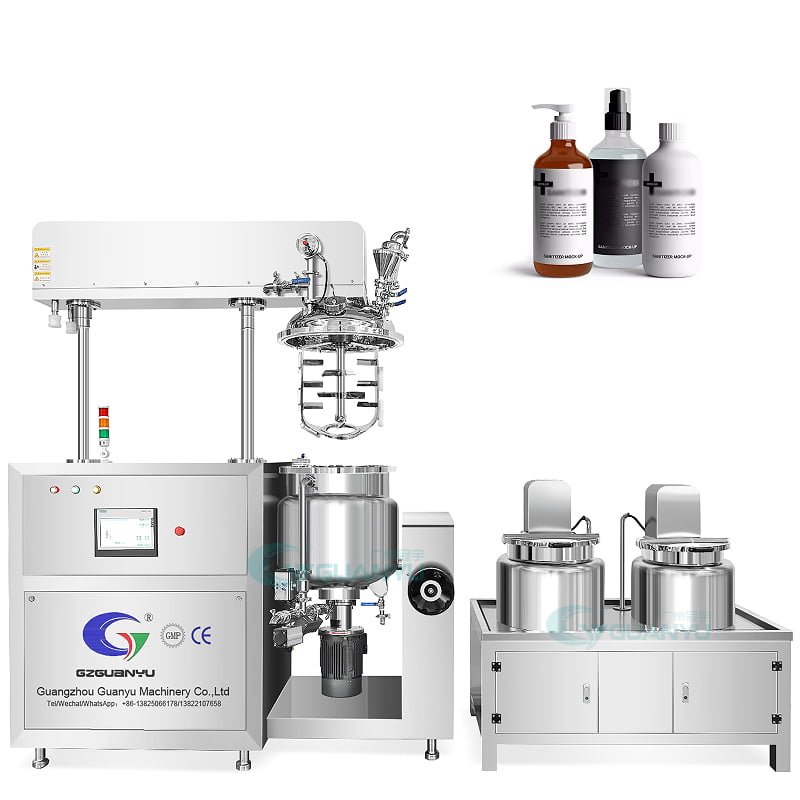
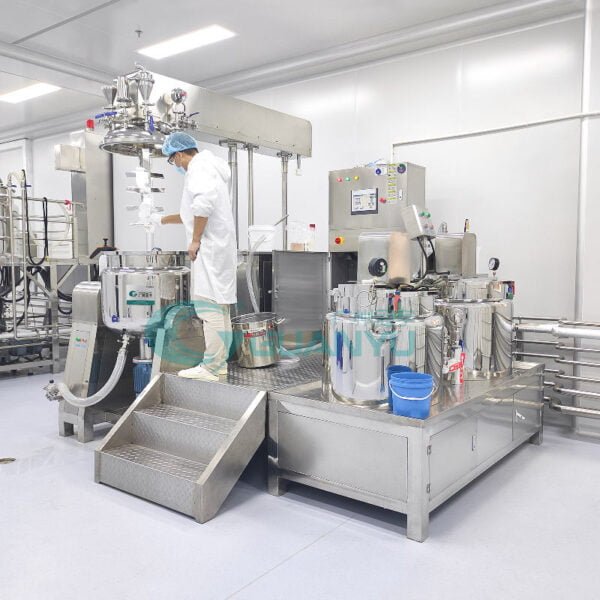
Custom Making Machine by Guangzhou Guanyu
If you want to make more mayonnaise, try the Custom Making Machine by Guangzhou Guanyu. This machine has smart features and is reliable. Here’s what it offers:
Recurso | Beneficiar |
|---|---|
Fits your recipes and batch sizes for best results. | |
Smart Technology | Makes texture and taste better. |
Food-Grade Stainless Steel | Keeps your product safe and clean. |
Automação | Speeds up mixing and packaging. |
Emulsionantes a vácuo | Mixes thick batches evenly and fast. |
Dual Heating and Cooling | Controls temperature for perfect consistency. |
Speed Adjustment | Lets you change mixing speed for different recipes. |
Blends ingredients quickly and smoothly. |
You get fewer breakdowns and more reliable batches. Studies show advanced machines can improve quality and safety. They give you better control over texture and flavor. If you want great mayonnaise every time, the right equipment matters a lot.
Quick Troubleshooting Checklist
Rapid Diagnosis Steps
You want to fix problems quickly in mayonnaise production. Use this easy checklist to find issues fast:
Check the texture. If mayonnaise is runny or separated, the emulsion may be broken.
Smell the batch. Bad smells can mean spoilage and a short shelf-life.
Test the pH. If it is above 4.1, bacteria can grow and shorten shelf-life.
Look for color changes. Yellow or dark spots can show ingredient problems or a short shelf-life.
Feel the consistency. Lumps or grainy texture mean mixing issues.
Review your ingredient list. Make sure everything is fresh and at room temperature.
Inspect your equipment. Dirty or old machines can cause batch failures and affect shelf-life.
Dica: Keep a notebook for each batch. Write down changes in texture, smell, or color. This helps you track shelf-life and see patterns.
Preventive Measures
You can stop problems before they happen. Experimente estas melhores práticas:
Use high-quality ingredients. Freshness makes shelf-life longer.
Keep all ingredients at room temperature before mixing.
Clean and take care of your machines after every batch.
Measure ingredients carefully. Accurate amounts help with shelf-life and stability.
Store mayonnaise in cool places. Low temperatures make shelf-life longer.
Use reliable equipment like Guangzhou Guanyu’s Custom Making Machine for consistent results.
Train your team to spot early signs of spoilage or separation.
Preventive Action | Shelf-Life Benefit |
|---|---|
Fresh ingredients | Longer shelf-life |
Proper storage | Stops early spoilage |
Equipamento limpo | Reduces contamination |
Accurate measurement | Keeps batches consistent |
Lembrar: Good habits in mayonnaise production help you make safe, tasty mayonnaise with a longer shelf-life.
You can make mayonnaise production easier by using smart troubleshooting steps. Pay attention to how you mix your ingredients. Handle each ingredient with care. Use machines that work well and are clean. Olhe para esta mesa to see why following industry standards is important:
Beneficiar | Descrição |
|---|---|
Qualidade do Produto | Keeps mayonnaise safe and high quality. |
Safety and Hygiene | Reduces contamination risks. |
Eficiência | Saves time and cuts waste. |
Conformidade Regulatória | Helps you meet food safety rules. |
Consumer Satisfaction | Builds trust and loyalty. |
Treinamento de funcionários | Teaches best practices. |
Use the quick checklist to find problems before they get worse. Try using advanced machines like Guangzhou Guanyu’s Custom Making Machine for better mayonnaise. Keep learning new things and improving your process. This helps mayonnaise last longer and makes every batch turn out great!
Perguntas frequentes
What causes mayonnaise to separate?
Se você derramar óleo muito rapidamente, mayonnaise can split. Mixing too fast or too slow can also cause problems. Cold ingredients make it worse. Sempre use ingredientes em temperatura ambiente. Add oil slowly to keep everything mixed.
How do you fix broken mayonnaise?
You can try adding a little warm water or an extra egg yolk. Whisk the mixture again. This can help bring it back together. Keep whisking until it looks smooth.
Why should you use a Custom Making Machine?
A Custom Making Machine helps you get the same results every time. It controls how you mix, the temperature, and the speed. This means you make fewer mistakes. Your mayonnaise turns out better with each batch.